

Choosing an assisted living community is easier when a tour is treated as an information-gathering visit rather than a sales presentation. The goal is to learn how the residence operates on ordinary days, how staff respond to changing needs, and what the agreement actually includes.
A polished lobby can be pleasant, but it does not answer the questions that matter most. Ask to see the areas where residents live, eat, receive care, spend time, and move through the building.
What level of care can the residence provide?
The residence should explain which daily activities staff can assist with and what happens if a resident’s needs increase. Ask:
- Can staff help with bathing, dressing, toileting, grooming, eating, transferring, or walking?
- How are medication reminders or medication administration handled?
- Is assistance available overnight?
- How is a resident’s care plan created and updated?
- What conditions or care needs would require a move to another setting?
- Can short-term rehabilitation, hospice services, or home health services work with residents in the building?
Ask for examples rather than general assurances. “We provide personalized care” is less useful than an explanation of how staff respond when a resident begins falling, needs more help at meals, or becomes confused in the evening.
In Pennsylvania, assisted living residences and personal care homes are separate licensed categories, even though both may provide help with daily activities. Ask which license applies to the residence and how that classification affects available services.
How many staff members are available during each shift?
Staffing can vary greatly by time of day. Ask how many direct-care staff are normally present during mornings, afternoons, evenings, weekends, and overnight hours.
Also ask:
- What happens if an employee calls off?
- Are temporary or agency workers used?
- How long do new employees train before working independently?
- Are background checks, health screenings, and required training completed?
- Who is in charge overnight?
- How quickly are call bells or emergency alerts answered?
- Can residents or families review typical response-time information?
A tour during a busy morning may reveal more than a quiet midafternoon visit. Notice whether staff appear rushed, whether residents wait for assistance, and whether employees speak respectfully to residents.
What is included in the monthly cost?
The base rate rarely tells the whole financial story. Request a written explanation of all recurring and possible additional charges.
Ask about:
- Care levels and how they are priced
- Medication management fees
- Meal delivery or special-diet charges
- Transportation costs
- Laundry, housekeeping, or personal-care fees
- Guest meals and overnight visitors
- Activities or outings that cost extra
- Deposits, entrance fees, or community fees
- Annual increases
- Billing during a hospital stay
- Refunds and notice requirements if a resident leaves
Ask what triggers a change in the monthly rate. A resident may enter needing limited help and later require more assistance. Understanding that process before move-in can prevent conflict and financial surprises.
Compare the total expected cost with the household budget, not just the advertised starting rate. A written fee schedule is more useful than a verbal estimate.
What does the apartment or room actually offer?
Ask to see the exact type of unit being considered, if possible. Look at the bathroom, closet space, lighting, flooring, window access, and room for mobility equipment.
Questions to ask include:
- Is the unit private or shared?
- What furnishings are supplied?
- Can residents bring familiar furniture?
- Are small refrigerators or cooking appliances permitted?
- How are temperature and lighting controlled?
- Is there an emergency call system in the room and bathroom?
- What happens if the call system fails?
- Are pets, personal refrigerators, televisions, or other household items allowed?
- How are repairs and maintenance requests handled?
Pay attention to practical details. A heavy door, narrow bathroom, slippery flooring, or inadequate lighting may become a problem even if the room looks attractive. Ask whether accessibility modifications can be made and who pays for them.
How are meals, nutrition, and special diets managed?
Food affects health, enjoyment, and daily routine. Ask to review a current menu and, if permitted, observe a meal.
Find out:
- How many meals and snacks are provided each day?
- Are residents offered choices?
- Can the kitchen manage diabetes-related diets, food allergies, swallowing concerns, or cultural preferences?
- What happens when a resident cannot feed themselves?
- Are meals delivered to rooms when needed?
- How are missed meals documented?
- Can family members eat with residents, and what is the charge?
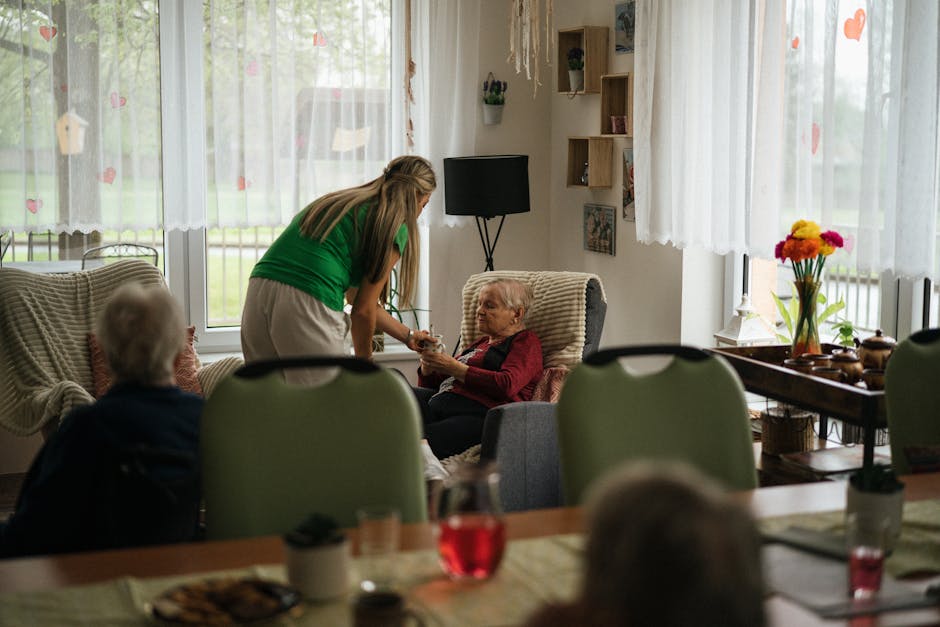
A useful question is, “What happens when a resident stops eating well?” The answer should describe observation, communication with family and medical providers, and appropriate follow-up—not simply a change in menu.
What safety and emergency procedures are in place?
Residents and families should understand how the building handles falls, severe weather, power outages, fire alarms, medical emergencies, and missing-person concerns.
Ask:
- How often are emergency drills conducted?
- Where would residents go during a fire or extended power outage?
- Is backup power available for essential systems?
- How are residents who use walkers, wheelchairs, or oxygen assisted during an evacuation?
- What is the procedure after a fall?
- How are families notified about emergencies?
- How are severe winter weather and icy walking areas managed?
North Versailles can experience cold weather, snow, and icy conditions that affect transportation and outdoor mobility. Ask how entrances, sidewalks, parking areas, and accessible routes are maintained during winter conditions. Also ask whether residents can safely reach outdoor spaces during warmer months.
What is daily life really like?
A residence should be able to describe a normal day without relying only on a calendar of activities. Ask residents and staff:
- What time do residents usually wake up and go to bed?
- Can residents choose when to eat or bathe?
- How are activities adjusted for different abilities?
- Are quieter spaces available?
- Can residents receive visitors privately?
- Are religious, cultural, and personal routines respected?
- How are complaints or disagreements handled?
- Can residents bring personal decorations and familiar belongings?
During the tour, observe whether residents are engaged, isolated, comfortable, or frequently left waiting. Speak with residents when appropriate. Their answers may reveal more about daily life than a formal presentation.
How will health information and family communication work?
Ask who receives updates and under what circumstances. Clarify how the residence communicates changes in medication, falls, injuries, weight loss, behavior, hospital visits, or changes in care needs.
Questions include:
- Who is the main family contact?
- How are after-hours concerns handled?
- Are care conferences scheduled?
- Can families participate in care planning?
- How are medical appointments coordinated?
- What information can be shared with designated family members?
- How are resident records protected?
Bring a written list of medical conditions, medications, mobility needs, allergies, and personal preferences. This helps determine whether the residence can safely meet the person’s needs now and in the foreseeable future.
What should be reviewed before signing?
Ask for time to read the residency agreement, disclosure documents, fee schedule, grievance procedures, discharge policies, and emergency contact requirements before making a decision.
Pennsylvania assisted living residences must provide information about resident rights, complaint procedures, and access to inspection information. Ask where the most recent inspection information is posted or how it can be reviewed. Do not hesitate to ask about violations, corrective actions, or unresolved concerns in plain language.
A second visit can be useful, especially during an evening, weekend, or meal period. Take notes immediately after each tour, including staff interactions, cleanliness, noise, odors, resident privacy, wait times, and answers that were vague or deferred.
The strongest choice is not necessarily the newest building or the most impressive tour. It is the residence that clearly explains its care limits, staffing practices, costs, safety procedures, and expectations while treating residents with dignity.
